Project
MUSEUM OF MODERN FORMS
Type
Cultural Institution
Deliverables
Brand Identity
Guidelines
Motion Design
Year
2024
Collaborators
oneeightoneone
samurai
rodo dendron
mahuliena
ayscha
Project team
Maya Lin
Olivia Reyes
Ethan Cole
Jasmine Park
Sofia Alvarez
Chloe Bennett
Noah Brooks
Liam Carter
Amelia Clarke
Freya Bennett
Isla Morgan
Oliver Hughes
Ethan Patel
Brooklyn, NY Team, Manchester, UK Team


The project began with an analysis of how museums communicate today. Traditional systems often prioritize information over experience, creating distance between audience and content. Research explored digital archives, cultural platforms, and editorial media systems. The goal was to understand how institutions can become more accessible without losing authority. This phase established the need for a modular and adaptive communication system.
The identity system was built on modular typography and structured layouts. This allowed the museum to shift tone depending on exhibitions and programming. Rather than a fixed visual identity, the system operates as a flexible framework. It can expand or contract depending on content complexity. This approach ensured consistency without limiting creative expression.
The digital experience was designed as a dynamic extension of the museum’s physical presence. Each exhibition is presented as a structured narrative rather than a static page. Transitions between content blocks were carefully designed to create rhythm and pacing. Motion acts as guidance rather than decoration. The platform allows curators to continuously update content without breaking the system.
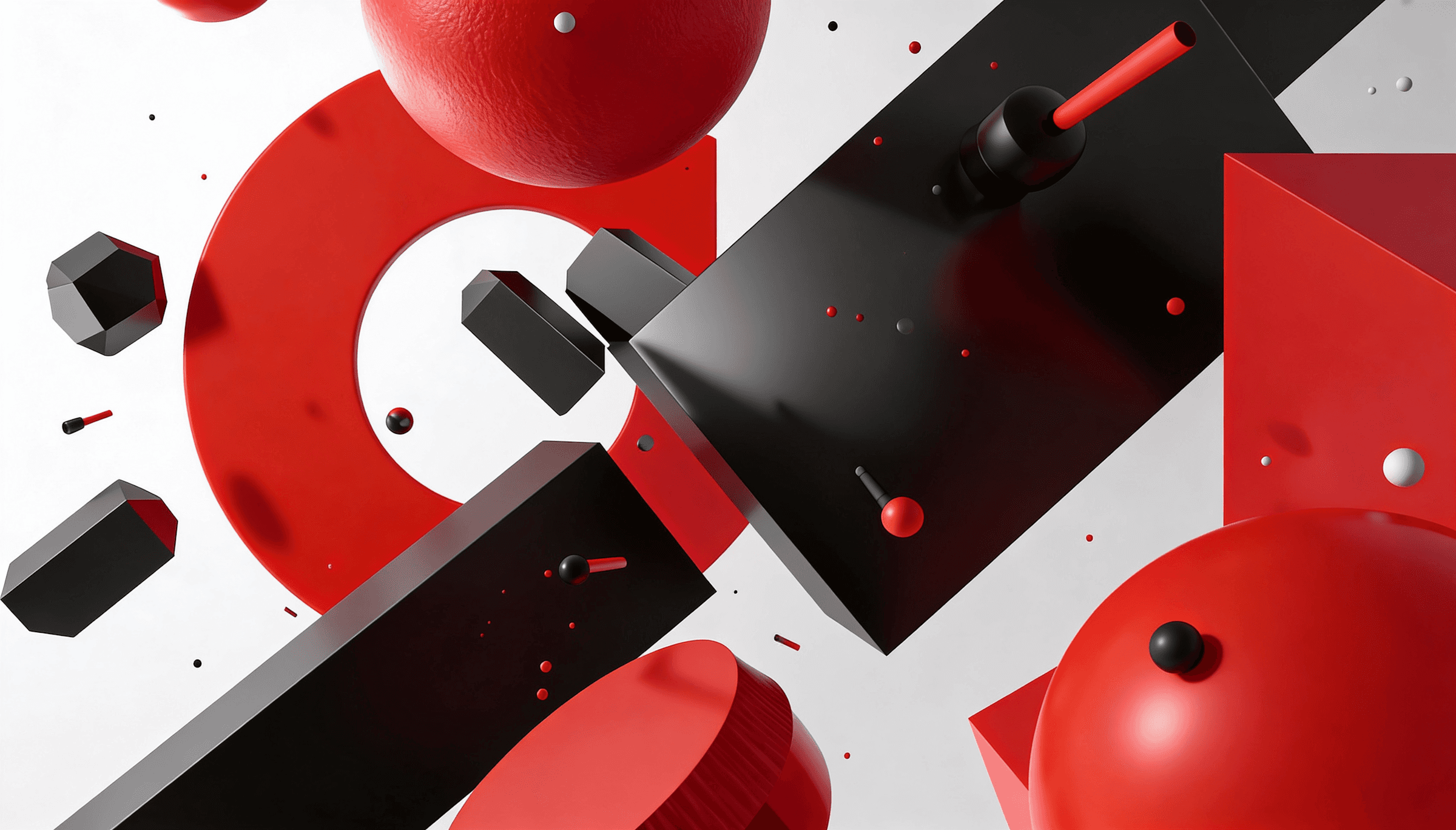
The visual direction combines bold typography with controlled spatial systems. This creates clarity across both digital and physical applications. Campaign visuals are designed to adapt across posters, social content, and exhibition graphics. This ensures a unified presence across all communication channels.
The result is a flexible institutional system that can evolve with the museum’s programming. Identity and experience are no longer separate layers but part of a single structure. The museum now operates with a stronger digital presence that supports both education and engagement.
Our Work